Ingredients:
- 1 Cup Cottage cheese, low fat
- 1 Tablespoon Lemon juice
- 1/2 Cup Plain yogurt, low fat
- 1/4 Cup Green onion, chopped
- 1 Teaspoon Salt
- 1 Pinch Pepper

The bad news is also that they are old enough to go to the kitchen and feed themselves. When teens come home from school with growling stomachs, they may not be too interested in making the healthiest of choices. A big bag of greasy potato chips, some dip and sugary soda will probably become the after-school snack of choice because it is easy and tastes good, not because it is good for them.
Good snacks like fresh fruits refuel your teen and give them important nutrients. Poor snacks add extra sugar, saturated fats, and sodium to your kids’ body. And if portions aren't controlled, these snacks may ruin their appetite for your healthy family dinner later.
You can help your teen by providing healthy, easy-to-prepare after school snacks:
Your kids can dip the raw vegetables into veggie dip, regular chip dip, nacho cheese dip lite or regular salad dressing. Obviously some dips are healthier than others are (cheap nacho cheese dip from the grocery store probably lacks real cheese), but I think the main goal with this snack is to get those extra vegetables into your teen.
This doesn't mean you have to deprive your family of fun foods (every kid needs a treat now and then) just regulate them. When you decide that an ice cream treat is in order, hit the ice cream shop. Don’t buy bags of candy bars at the grocery or discount store, but occasionally bring home one individual candy bar for each family member. The same idea applies to eating cakes, cookies, greasy chips and donuts: They should be considered treats, not daily dietary staples.

Soluble fiber is also found in many high-fiber foods like oats, citrus fruits, apples, barley, psyllium, flax seeds and beans. Soluble fiber absorbs water, which helps to soften stools making them easier to eliminate from the body. Some soluble fibers, like beta glucan found in oats, bind to bile acids in the intestinal tract. Bile acids contain cholesterol and normally your body reabsorbs some of those bile acids, but when their bound to beta-glucan, they are eliminated through the stool. This reduces the amount of bile reabsorbed into your blood, and in turn helps to lower cholesterol levels. Research shows high-fiber diets with this type of soluble fiber has been shown to reduce cholesterol closer to healthy levels.
Here are some examples of delicious and healthy high-fiber foods from the USDA National Nutrient Database:
I am trying to eat healthier but I have a problem that I don't like very many fruits and vegetables. Mostly the problem is with the textures of the foods, they make me gag. I drink juice and can eat a few things like applesauce, peas, corn and broccoli but that is about all I can easily manage to eat. Can you give me any help on how to get more fruits and vegetables into my diet?
One suggestion would be to get a juicing machine and juice your fruits and vegetables. As long as you keep the pulp in the juice, you will still get the nutrients and fiber. What type of texture do you like? If you like crunchy, you can eat the vegetables raw or slightly cooked. If you like squishy things, then you can cook them longer until they are soft. You can add melted cheese to add some difference in texture, or sprinkle some nuts on top. Do you like soup? You can add cooked vegetables to soup, or make creamed soups that are pureed so that the texture is smooth. Do you like mashed potatoes? You can do the same with carrots, squash, or sweet potatoes.
For fruits, try slicing up strawberries and adding some cream or whipped cream. If you don't like raw apples, you can slice them up and cook them with a little water, a bit of cinnamon and maybe just a little sugar if you prefer a sweeter taste. There are also fruit preserves that don't have a lot of extra sugar added that can be spread on toast like jam or jelly. One more idea is to freeze some seedless grapes for a nice cold treat and a change in texture.
There are three main dietary omega-3 fatty acids, eicosapentaenoic acid, docosahexaenoic acid both found in fish and seafood, and alpha linolenic acid found in plants.
So when is fish not so good for your health?
Almost all fish is contaminated with trace amounts of mercury. While most healthy adults have no problem eliminating the mercury from their bodies, children and women who are pregnant or breastfeeding should avoid some types of fish and shellfish to reduce their risk of mercury exposure.
Fish that contain the highest level of mercury are larger and older sharks, swordfish, king mackerel, and tilefish. It is probably a good idea for most people to avoid eating much of these fish. They can be replaced with other fish and shellfish such as shrimp, pollock, canned light tuna, salmon and catfish, which all contain much less mercury.
Most other fish fall somewhere in between. The United States Environmental Protection Agency has a complete listing of the mercury levels in commercial seafood and fish. It is also interesting to note that deep-frying fish may increase the concentration of mercury in fish.
Besides mercury, fish can be a problem if it isn't prepared properly. Deep fried or served with a heavy, fat- and calorie-dense sauce will turn healthy fish into an unhealthy meal fast.
Another potential problem is eating undercooked fish, which may lead to a parasite infection. When cooking fish at home, make sure you cook your fish until it is flaky and tender; the meat should show no signs of translucency. And do not cross contaminate raw fish with uncooked or ready to serve foods; use separate utensils and plates for handling each.
The type of omega-3 fatty acids found in plants is called alpha linolenic acid. It is not exactly the same as the fats found in fish, but your body has the capability to transform alpha linolenic acid to both EPA and DHA.
DHA supplementation may be the most beneficial for babies. The developing brain accumulates large amounts of DHA during the third trimester of pregnancy through the first three months of infancy. Women can take DHA supplements during their pregnancy and in the initial months of breastfeeding to be sure their babies receive enough DHA for normal cognitive development.
Sources:
Burger J, Dixon C, Boring CS, Gochfeld M. "Effect of deep-frying fish on risk from mercury." J Toxicol Environ Health A. 2003 May 9;66(9):817-28.
Cetin I, Koletzko B. "Long-chain omega-3 fatty acid supply in pregnancy and lactation." Curr Opin Clin Nutr Metab Care. 2008 May;11(3):297-302.
| SPECIES | MERCURY CONCENTRATION (PPM) | NO. OF SAMPLES | SOURCE OF DATA | ||||
|---|---|---|---|---|---|---|---|
| MEAN | MEDIAN | STDEV | MIN | MAX | |||
| MACKEREL KING | 0.730 | N/A | N/A | 0.230 | 1.670 | 213 | GULF OF MEXICO REPORT 2000 |
| SHARK | 0.988 | 0.830 | 0.631 | ND | 4.540 | 351 | FDA 1990-02 |
| SWORDFISH | 0.976 | 0.860 | 0.510 | ND | 3.220 | 618 | FDA 1990-04 |
| TILEFISH (Gulf of Mexico) | 1.450 | N/A | N/A | 0.650 | 3.730 | 60 | NMFS REPORT 1978 |
| SPECIES | MERCURY CONCENTRATION (PPM) | NO. OF SAMPLES | SOURCE OF DATA | ||||
|---|---|---|---|---|---|---|---|
| MEAN | MEDIAN | STDEV | MIN | MAX | |||
| ANCHOVIES | 0.043 | N/A | N/A | ND | 0.340 | 40 | NMFS REPORT 1978 |
| BUTTERFISH | 0.058 | N/A | N/A | ND | 0.360 | 89 | NMFS REPORT 1978 |
| CATFISH | 0.049 | ND | 0.084 | ND | 0.314 | 23 | FDA 1990-04 |
| CLAM * | ND | ND | ND | ND | ND | 6 | FDA 1990-02 |
| COD | 0.095 | 0.087 | 0.080 | ND | 0.420 | 39 | FDA 1990-04 |
| CRAB 1 | 0.060 | 0.030 | 0.112 | ND | 0.610 | 63 | FDA 1990-04 |
| CRAWFISH | 0.033 | 0.035 | 0.012 | ND | 0.051 | 44 | FDA 2002-04 |
| CROAKER ATLANTIC (Atlantic) | 0.072 | 0.073 | 0.036 | 0.013 | 0.148 | 35 | FDA 1990-03 |
| FLATFISH 2* | 0.045 | 0.035 | 0.049 | ND | 0.180 | 23 | FDA 1990-04 |
| HADDOCK (Atlantic) | 0.031 | 0.041 | 0.021 | ND | 0.041 | 4 | FDA 1990-02 |
| HAKE | 0.014 | ND | 0.021 | ND | 0.048 | 9 | FDA 1990-02 |
| HERRING | 0.044 | N/A | N/A | ND | 0.135 | 38 | NMFS REPORT 1978 |
| JACKSMELT | 0.108 | 0.060 | 0.115 | 0.040 | 0.500 | 16 | FDA 1990-02 |
| LOBSTER (Spiny) | 0.09 | 0.14 | ‡ | ND | 0.27 | 9 | FDA SURVEY 1990-02 |
| MACKEREL ATLANTIC (N.Atlantic) | 0.050 | N/A | N/A | 0.020 | 0.160 | 80 | NMFS REPORT 1978 |
| MACKEREL CHUB (Pacific) | 0.088 | N/A | N/A | 0.030 | 0.190 | 30 | NMFS REPORT 1978 |
| MULLET | 0.046 | N/A | N/A | ND | 0.130 | 191 | NMFS REPORT 1978 |
| OYSTER | 0.013 | ND | 0.042 | ND | 0.250 | 38 | FDA 1990-04 |
| PERCH OCEAN * | ND | ND | ND | ND | 0.030 | 6 | FDA 1990-02 |
| POLLOCK | 0.041 | ND | 0.106 | ND | 0.780 | 62 | FDA 1990-04 |
| SALMON (CANNED) * | ND | ND | ND | ND | ND | 23 | FDA 1990-02 |
| SALMON (FRESH/FROZEN) * | 0.014 | ND | 0.041 | ND | 0.190 | 34 | FDA 1990-02 |
| SARDINE | 0.016 | 0.013 | 0.007 | 0.004 | 0.035 | 29 | FDA 2002-04 |
| SCALLOP | 0.050 | N/A | N/A | ND | 0.220 | 66 | NMFS REPORT 1978 |
| SHAD AMERICAN | 0.065 | N/A | N/A | ND | 0.220 | 59 | NMFS REPORT 1978 |
| SHRIMP * | ND | ND | ND | ND | 0.050 | 24 | FDA 1990-02 |
| SQUID | 0.070 | N/A | N/A | ND | 0.400 | 200 | NMFS REPORT 1978 |
| TILAPIA * | 0.010 | ND | 0.023 | ND | 0.070 | 9 | FDA 1990-02 |
| TROUT (FRESHWATER) | 0.072 | 0.025 | 0.143 | ND | 0.678 | 34 | FDA 2002-04 |
| TUNA (CANNED, LIGHT) | 0.118 | 0.075 | 0.119 | ND | 0.852 | 347 | FDA 2002-04 |
| WHITEFISH | 0.069 | 0.054 | 0.067 | ND | 0.310 | 28 | FDA 2002-04 |
| WHITING | ND | ND | ‡ | ND | ND | 2 | FDA SURVEY 1990-02 |
| SPECIES | MERCURY CONCENTRATION (PPM) | NO. OF SAMPLES | SOURCE OF DATA | ||||
|---|---|---|---|---|---|---|---|
| MEAN | MEDIAN | STDEV | MIN | MAX | |||
| BASS (SALTWATER, BLACK, STRIPED)3 | 0.219 | 0.130 | 0.227 | ND | 0.960 | 47 | FDA 1990-04 |
| BASS CHILEAN | 0.386 | 0.303 | 0.364 | 0.085 | 2.180 | 40 | FDA 1990-04 |
| BLUEFISH | 0.337 | 0.303 | 0.127 | 0.139 | 0.634 | 52 | FDA 2002-04 |
| BUFFALOFISH | 0.19 | 0.14 | ‡ | 0.05 | 0.43 | 4 | FDA SURVEY 1990-02 |
| CARP | 0.14 | 0.14 | ‡ | 0.01 | 0.27 | 2 | FDA SURVEY 1990-02 |
| CROAKER WHITE (Pacific) | 0.287 | 0.280 | 0.069 | 0.180 | 0.410 | 15 | FDA 1990-03 |
| GROUPER (ALL SPECIES) | 0.465 | 0.410 | 0.293 | 0.053 | 1.205 | 43 | FDA 2002-04 |
| HALIBUT | 0.252 | 0.200 | 0.233 | ND | 1.520 | 46 | FDA 1990-04 |
| LOBSTER (NORTHERN/AMERICAN) | 0.310 | N/A | N/A | 0.050 | 1.310 | 88 | NMFS REPORT 1978 |
| LOBSTER (Species Unknown) | 0.169 | 0.182 | 0.089 | ND | 0.309 | 16 | FDA 1991-2004 |
| MACKEREL SPANISH (Gulf of Mexico) | 0.454 | N/A | N/A | 0.070 | 1.560 | 66 | NMFS REPORT 1978 |
| MACKEREL SPANISH (S. Atlantic) | 0.182 | N/A | N/A | 0.050 | 0.730 | 43 | NMFS REPORT 1978 |
| MARLIN * | 0.485 | 0.390 | 0.237 | 0.100 | 0.920 | 16 | FDA 1990-02 |
| MONKFISH | 0.180 | N/A | N/A | 0.020 | 1.020 | 81 | NMFS REPORT 1978 |
| ORANGE ROUGHY | 0.554 | 0.563 | 0.148 | 0.296 | 0.855 | 49 | FDA 1990-04 |
| PERCH (Freshwater) | 0.14 | 0.15 | ‡ | ND | 0.31 | 5 | FDA SURVEY 1990-02 |
| SABLEFISH | 0.220 | N/A | N/A | ND | 0.700 | 102 | NMFS REPORT 1978 |
| SCORPIONFISH | 0.286 | N/A | N/A | 0.020 | 1.345 | 78 | NMFS REPORT 1978 |
| SHEEPSHEAD | 0.128 | N/A | N/A | 0.020 | 0.625 | 59 | NMFS REPORT 1978 |
| SKATE | 0.137 | N/A | N/A | 0.040 | 0.360 | 56 | NMFS REPORT 1978 |
| SNAPPER | 0.189 | 0.114 | 0.274 | ND | 1.366 | 43 | FDA 2002-04 |
| TILEFISH (Atlantic) | 0.144 | 0.099 | 0.122 | 0.042 | 0.533 | 32 | FDA 2002-04 |
| TUNA (CANNED, ALBACORE) | 0.353 | 0.339 | 0.126 | ND | 0.853 | 399 | FDA 2002-04 |
| TUNA(FRESH/FROZEN, ALL) | 0.383 | 0.322 | 0.269 | ND | 1.300 | 228 | FDA 2002-04 |
| TUNA (FRESH/FROZEN, ALBACORE) | 0.357 | 0.355 | 0.152 | ND | 0.820 | 26 | FDA 2002-04 |
| TUNA (FRESH/FROZEN, BIGEYE) | 0.639 | 0.560 | 0.184 | 0.410 | 1.040 | 13 | FDA 2002-04 |
| TUNA (FRESH/FROZEN, SKIPJACK) | 0.205 | N/A | 0.078 | 0.205 | 0.260 | 2 | FDA 1993 |
| TUNA (FRESH/FROZEN, YELLOWFIN) | 0.325 | 0.270 | 0.220 | ND | 1.079 | 87 | FDA 2002-04 |
| TUNA (FRESH/FROZEN, Species Unknown) | 0.414 | 0.339 | 0.316 | ND | 1.300 | 100 | FDA 1991-2004 |
| WEAKFISH (SEA TROUT) | 0.256 | 0.168 | 0.226 | ND | 0.744 | 39 | FDA 2002-04 |
Source of data: FDA 1990-2004, "National Marine Fisheries Service Survey of Trace Elements in the Fishery Resource" Report 1978,
"The Occurrence of Mercury in the Fishery Resources of the Gulf of Mexico" Report 2000
Mercury was measured as Total Mercury except for species (*) when only Methylmercury was analyzed.
ND - mercury concentration below detection level (Level of Detection (LOD)=0.01ppm)
N/A - data not available
†The following species have been removed from the tables:
‡ Standard deviation data generated for new data 2004 or later only.
1Includes: Blue, King, Snow
2Includes: Flounder, Plaice, Sole
3Includes: Sea bass/ Striped Bass/ Rockfish
NOTE: On February 8, 2006, technical changes were made to the data that was posted on January 19, 2006. The changes corrected data or more properly characterized the species of fish or shellfish sampled.
Scientific Name: Asparagus officinalis
Biological Background: Asparagus is a vegetable with succulent shoots and scale-like leaves, 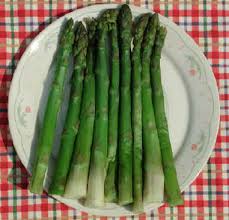
Nutritional Information: Four medium-sized spears (cooked, 60 g) contain 315 calories, 1.6 g protein, 2.6 g carbohydrate, 1.1 g fiber, 0.4 mg iron, 186 mg potassium, 50 RE vitamin A, 0.63 mg niacin, 16 mg vitamin C, and small amount of other vitamins.
Pharmacological Activity: Asparagus is an excellent source of glutathione and a good source of flavonoids, saponins, folate, vitamin C, and dietary fiber. Those food components in asparagus provide great power to fight various cancers and heart diseases. Asparagus is also known for its antifungal, diuretic, and antiviral activity. In addition, the low calorie content of asparagus makes it a good food for weight control.
Eating Tips: Asparagus deteriorates and loses its vitamin C quickly under room temperature. Heavy cooking may reduce asparagus disease-fighting power by destroying some of its healing components. To get the most health benefits from asparagus, eat it fresh or lightly cooked.
Scientific Name: Malus Pumila
Biological Background: Apple was originated in Asia Minor. 
Nutritional Information: A typical medium-sized apple (212 g) provides 125 calories (most from fructose), 0.4 g protein, 6.6 g fiber, 244 mg potassium, 12 mg vitamin C, and traces of other minerals and vitamins.
Pharmacological Activity: Apple is one of the best sources of flavonoids and a good source of dietary fiber (pectin), which are responsible for most of apple’s disease-fighting properties. Flavonoids and pectin in apple help fight heart diseases (stroke and high blood cholesterol), cancers (breast and ovarian), and constipation. Apples also have mild antibacterial, anti-inflammatory, and estrogenic activity. In addition, apple can suppress appetite, thus having an apple before a meal can help control weight.
Eating Tips: Most of flavonoids and fiber are in the apple peel. And the colorfulness of an apple reflects the amount of flavonoids. Therefore, to get the most health benefit from apples, eat two bright-colored and unpeeled apples a day.
Biological Background: A tropical plant with stiff, spiny leaves that yields a single 
Nutritional Information: One cup (155 g) of raw pineapple contains 76 calories, 0.6 g protein, 19.2 g carbohydrates, 2.95 g fiber, 175 g potassium, 124 mg vitamin C, 0.14 mg thiamin, 0.06 mg riboflavin, 0.65 mg niacin.
Pharmacological Activity: It suppresses inflammation due to Bromelain, an antibacterial enzyme. Pineapple aids digestion and helps to dissolve blood clots, and is food for preventing osteoporosis and bone fractures because of its very high manganese content. It is also antibacterial, antiviral and mildly estrogenic.
Eating Tips: Eat fresh. Canning destroys some pharmacological activities of pineapple.
8 Servings

Heat oil in a large saucepan and saut onion until soft. Add remaining ingredients except spinach and lemon juice. Mix well. Bring to a boil, cover and simmer 1 hour. Add spinach, salt, and pepper, and cook 10 more minutes. Stir in lemon juice and serve.
Cholesterol is a waxy naturally occurring fat that is made by the liver. Cholesterol is a paradox. On one hand, it contributes to such vital bodily functions as building new cells, insulating nerves, and producing hormones. On the other hand, it is a potential killer due to its association to various cardiovascular diseases. The risk of developing these cardiovascular problems is complex and depends not only how much cholesterol but also what kind of cholesterol you have in your blood. Generally speaking, LDL (low-density lipoprotein), the so called bad cholesterol, is associated with increased risk of dying from coronary heart disease; HDL (high-density lipoprotein) or good cholesterol is associated with decreased risk. This is because the LDLs serve on raw material to clog coronary arteries; in contrast, the HDLs gobble up the LDLs, and cart them to the liver, where they are annihilated. Obviously, the more HDL and the less LDL you have in your blood, the safer your arteries.
It is believed that oxygen free radicals play a important role in clogging coronary arteries when combined with LDLs. When oxygen free radicals in the blood collide with fatty LDLs, they oxidize the LDLs. The LDLs then turn rancid and are quickly gobbled up by the cell, called macrophage. Stuffed with fat globules, the macrophages enlarge into dreaded foam cells, which insinuate themselves into artery walls, triggering artery destruction. LDL cholesterol is not so dangerous to arteries unless it is converted into a toxic form by oxygen free radicals in your blood.
Mounting scientific evidence has indicated that eating foods packed with protective antioxidants, can block LDLs toxic transformation, therefore, may intervene at the very genesis of atherosclerosis, at every stage of life, blocking the cascade of arterial event that create clogged arteries, heart attacks, and strokes. Foods are powerful weapons in combating your cholesterol problems and other cardiovascular diseases!
Coronary heart disease is the most common of all heart diseases. It is characterized by blockage in the coronary arteries that result in reduction of blood flows to the heart muscle, depriving it of vital oxygen. The clogging of coronary artery, known as arteriosclerosis, begins with fatty streaks in and under the layer of cells, that line artery walls. Gradually, the streaks are transformed into plaques-fatty scar tissue that bulges into the artery opening, partly choking off blood flow.
If the clot becomes large enough, it can block blood flow, suffocating large patches of cardiac muscle, an event known as a heart attack or angina. Or if a blood vessel to the brain closes off or ruptures, it will result in a stroke. While the exact causes of coronary heart disease are imperfectly understood, certain major risk factors have been identified, including genes, gender, diet, and lifestyle - smoking, exercise, and stress.
Scientific evidence indicates that diet is vital to whether your arteries clog or your heart gives out. Stopping the progression of artery disease in the first place with your diet is foremost in warding off heart attacks and strokes. Even if you already had heart problems, including a heart attack, changing your diet now may prevent future cardiac problems and even halt or reverse arterial damage, helping restore arteries to health.
Foods with anti-heart disease activity can:
However, wrong food choice may do just the opposite of the above.
Eating is one the most important events in everyone’s life. We enjoy eating - it’s part of who we are and part of our culture; in fact, eating is the hottest universal topic of all times. We depend on eating: the foods we eat are the sole source of our energy and nutrition. We know so much about eating: we are born with the desire to eat and grown up with rich traditions of eating. But we also know so little about eating - about how the foods we eat everyday affect our health. We are more confused than ever about the link between diet and health: margarine is healthier than butter or not; a little alcohol will keep heart attacks at bay but cause breast cancer; dietary vitamin antioxidants can prevent lung cancer or can not. Eating is a paradox and a mystery that our ancestors tried and modern scientists are trying to solve.
Based on experiences and traditions, our ancestors have used foods and plant materials to treat various kinds of illness. Manuscripts discovered from a tomb (dated 168 B.C.) in China described prescriptions for 52 ailments with herbs, grains, legumes, vegetables, animal parts, and minerals. Ancient Sumerians recorded the use of 250 medicinal plants on tablets five thousand years ago. Today, plant and food remedies are still the major medicinal source for 80% of the world’s population.
The pharmacological roles of everyday foods have long been neglected by modern medicine due to lack of proven scientific validity. The main focus of modern medicine has been on pharmaceuticals. With the invention of modern chemotherapy by Paul Erhlich in the early twentieth century and sulfa drugs and antibiotics in the 1930’s and 1940’s, it seemed as if chemical medicines would take care of all our ills. However, while there continues to be great strides made in the understanding and use of pharmaceuticals, there is also widespread dissatisfaction with both them and the system of medicine that utilizes them. This dissatisfaction is centered around the feeling that they are too disease-oriented, and perhaps too limited by their precision to cope effectively with the subtle factors and interrelationships that compromise human health and disease. The precise and pure nature of modern biomedical pharmaceuticals also tends to increase their side effects. In addition, with the victory over many common infectious diseases, more people are concerned with chronic degenerative processes and with prevention of disease. The increasing concerns have started a new movement in medical research. More and more mainstream scientists are reaching back to the truth of ancient food folk medicines and dietary practices for clues to remedies and antidotes to our modern diseases.
Research on pharmacological effects of foods is fast-paced and the results are exciting. The mystery of what foods can do for or to us has started to unveil. In order to effectively use foods for our health benefits, the following issues need to be considered:
Delicious Cauliflower
6 servings
Separate cauliflower into flowerets and cook just until tender. Drain and keep warm. Heat the oil and salt in a pan and cook garlic and parsley for 2 minutes. Pour over the warm cauliflower and serve with additional chopped parsley if desired.
Vegetable Combo
4 servings
Biological Background: A seasoning that is the principal ingredient of curry 
Nutritional Information: Due to its use as a spice, cumin provides insignificant amount of nutrients.
Pharmacological Activity: Studies have indicated that cumin has strong anticancer activity, which may be due to its phytochemical cuminaldehyde. Cuminaldehyde also has strong antiinflammatory properties. In addition, cumin contains two phytochemicals, cuminyl ester and limonene, which have been shown to stop aflatoxin from binding to DNA to start the cancer process.

Nutritional Information: One slice of watermelon (480 g) contains 152 calories, 3 g protein, 34.6 g carbohydrates, 2.4 g fiber, 560 mg potassium, 176 mg vitamin A (RE), 47 mg vitamin C, 0.3 mg thiamin, 0.1 mg riboflavin, and 0.96 mg niacin.
Pharmacological Activity: Watermelon is rich in lycopene, glutathione and vitamin C. It has great activity against cancers and some antibacterial, anticoagulant activity.
Eating Tips: Choose watermelon with a deep red color.


